By Jump Trucking Insurance
The State of Trucking Insurance in 2025: What Every Fleet Owner Needs to Know
If you opened your commercial truck insurance renewal this year and felt your stomach drop, you’re not alone. The trucking insurance market in 2025 is one of the most challenging environments we’ve seen in decades, and understanding why premiums are climbing is the first step to protecting your bottom line.
The Numbers Don’t Lie
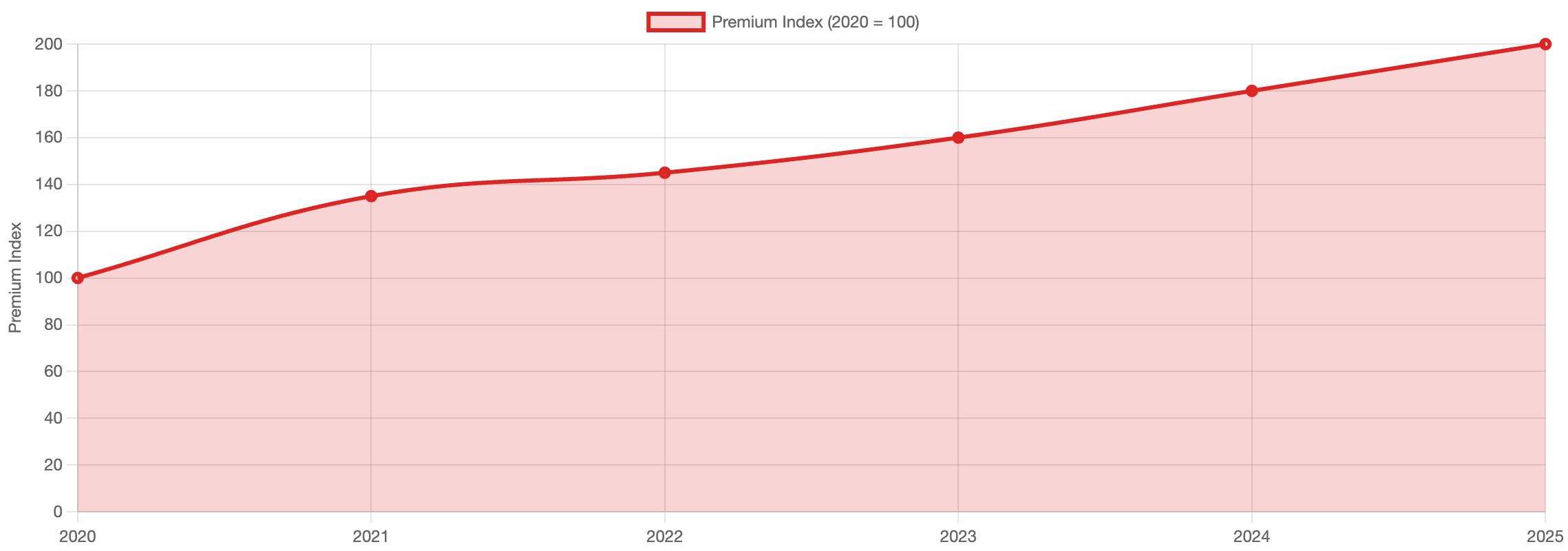
Let’s start with the reality check most carriers are facing. According to recent industry data, one-truck operations that were paying $11,000 to $16,000 annually for primary liability and cargo coverage in late 2023 are now budgeting between $12,000 and $17,000 per truck—and sometimes significantly more depending on their operation and claims history.
For small to mid-sized fleets, these increases aren’t just inconvenient. They’re threatening the viability of otherwise profitable operations.
Three Forces Reshaping the Insurance Landscape
- Nuclear Verdicts Are Exploding
The term “nuclear verdict” refers to jury awards exceeding $10 million, and they’ve become alarmingly common in trucking litigation. Between 2010 and 2018, the average verdict in truck crash cases didn’t just increase—it skyrocketed by 1,000%, jumping from $2.3 million to $22.3 million.
By 2023, the median nuclear verdict had reached $23.8 million, with juries awarding more than $14.5 billion total in these cases. Even more shocking? A record-setting $1 billion verdict was handed down in 2021.
What makes this particularly frustrating for carriers is that fault doesn’t always matter. We’ve seen cases where professional drivers were cleared by investigating officers, yet juries still delivered massive verdicts against trucking companies.
- Claims Severity Is Rising Across the Board
It’s not just the headline-grabbing nuclear verdicts. Industry experts project that auto liability insurance premiums will rise by 10-20% in 2025, driven by several factors:
- Rising numbers of accidents involving less experienced drivers
- Increased claim severity due to “social inflation” (juries awarding higher payouts)
- Repair costs continuing to climb
- Medical costs associated with accidents increasing substantially
Commercial auto rates have already increased approximately 15% year over year, with distracted driving incidents and supply chain disruptions adding additional pressure.
- The Insurance Market Is Tightening
Insurers are responding to these pressures by pulling back capacity, raising premiums, and tightening underwriting standards. Some have exited the primary trucking market entirely, while others have significantly restricted the coverage limits they’re willing to offer.
For carriers, this means:
- Fewer insurance options available
- Higher deductibles and self-insured retentions
- More stringent safety and documentation requirements
- Increased scrutiny of operations, driver files, and safety scores
Not All Carriers Are Suffering Equally
Here’s the critical insight that separates carriers weathering this storm from those struggling: Insurance companies are rewarding carriers who demonstrate proactive risk management.
Fleets that are thriving in this market share several characteristics:
They invest in safety technology. Dash cams, telematics, automatic emergency braking, and lane departure warning systems aren’t just safety measures—they’re signals to underwriters that a carrier is serious about loss prevention.
They maintain impeccable documentation. Clean driver qualification files, updated motor vehicle records, documented safety training programs, and well-maintained equipment records all tell underwriters one thing: this is a professional operation that manages risk well.
They understand their data. Carriers who know their Safety Measurement System (SMS) scores, can explain their CSA BASIC categories, and actively work to improve problem areas have significantly more negotiating power at renewal time.
They work with specialized brokers. Not all insurance agents understand trucking. The ones who do have access to specialized markets, understand how to package a carrier’s story effectively, and can shop multiple insurance companies to find the best combination of coverage and price.
The Path Forward
The hard truth is that insurance premiums for most carriers will continue trending upward through 2025. Market forces like nuclear verdicts, litigation costs, and claims severity aren’t going to disappear overnight.
However, the carriers who approach their insurance strategically—treating it as an investment in business continuity rather than just an expense—are finding ways to minimize increases and even secure better terms.
In our upcoming blog posts, we’ll dive deep into specific strategies you can implement immediately:
- How technology investments can reduce your premiums by 10% or more
- Understanding and protecting against nuclear verdicts
- Navigating new FMCSA regulations that take effect this year
- Recognizing and preventing staged accident fraud
- Why driver retention is one of your most powerful insurance strategies
- An actionable 90-day plan to reduce your renewal costs
Take Action Now
Don’t wait until 30 days before your renewal to start thinking about your insurance strategy. Carriers who begin the renewal process 90-120 days in advance consistently secure better quotes and have more options.
If you haven’t reviewed your SMS scores, driver files, safety programs, or equipment documentation recently, now is the time. Every improvement you make to your operation translates directly into your risk profile—and your premium.
The insurance market is hard, but it’s not closed. Carriers who demonstrate discipline through technology, training, and clean operational data will continue to find capacity and competitive rates.
About Our Agency: We specialize in trucking insurance and risk management, helping carriers navigate the complex insurance marketplace while implementing strategies to reduce claims and lower premiums. Contact us for a complimentary insurance review and discover opportunities to strengthen your operation while reducing costs.