
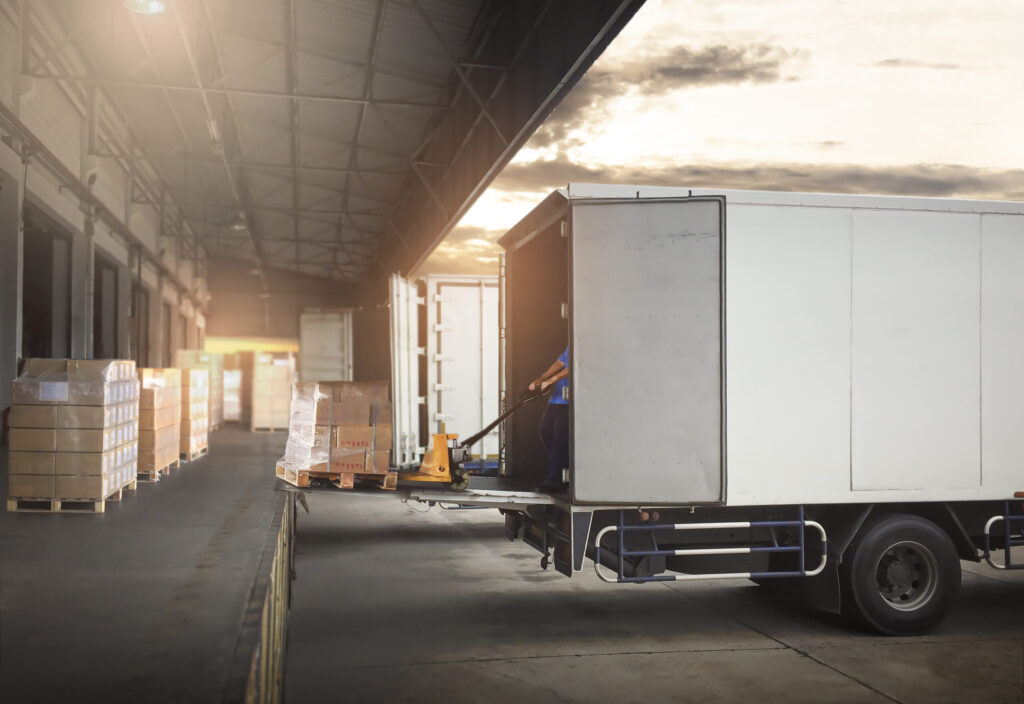
Motor Truck Cargo Insurance
Motor Truck Cargo Insurance protects your business from financial responsibility when the freight you’re hauling is damaged, stolen, or lost in transit.
Protect Your Freight & Your Reputation
Your customers trust you to deliver their cargo safely. But even with experienced drivers and secure equipment, losses can happen.
At Jump Trucking Insurance, we tailor cargo coverage around the types of freight you haul, the lanes you run, and the contracts you service — so you stay compliant with broker requirements and protected where it matters most.
Common Cargo Endorsements & Add-Ons
Reefer Breakdown / Temperature Deviation
Adds protection for perishable goods if a covered refrigeration unit failure or temperature change causes load rejection.
- Standard deductibles often start around $2,500
- Maintenance logs are typically required for eligibility
- Excludes mechanical neglect or lack of maintenance
Trailer Interchange Coverage
If you haul non-owned trailers under a trailer interchange agreement, this coverage protects those trailers while in your possession — even when they’re not attached to your power unit.
- Covers collision-related damages and certain specified perils
- Requires a stated trailer value and deductible
Clean-Up & Debris Removal
When a cargo spill occurs after a covered loss, this coverage reimburses cleanup and debris-removal costs, including towing and trans-loading when applicable.
- Available limits range from $5,000 to unlimited, depending on carrier
- Subject to exclusions and sub-limits
High-Value or Excluded Commodities
Certain commodities (electronics, alcohol, auto parts, etc.) may be excluded under standard forms but can often be added by endorsement, sometimes with additional premium or security requirements.
Need-to-Know Basics
Our specialists will help you understand broker and shipper requirements, select proper limits, and match your cargo coverage to your actual operations and budget.
What it Covers: Damage or loss to the cargo you haul while it’s in your care, custody, or control.
Typical Limits: Most brokers require $100,000, though many fleets choose $100,000–$250,000 or more depending on their commodities.
Deductible Choices: Higher deductibles can lower your premium, but be sure the amount is one you could comfortably pay out-of-pocket in the event of a claim.
Policy Exclusions: Every policy includes exclusions; review them carefully with your agent to ensure your commodities and equipment are properly covered.
Refrigerated Loads: If you haul temperature-sensitive freight, confirm that reefer breakdown or temperature-deviation coverage is included.
Why Truckers Choose Jump
Custom-Tailored Protection: Coverage built around your specific freight and contracts.
Fast Certificates: Same-day COIs to keep you hauling.
Reefer & Specialized Freight Options: Coverage for temperature-controlled or high-value loads.
Broker-Ready Compliance: Meet or exceed standard broker and load-board requirements.
In-House Claims Coordination: When available, our direct programs streamline the claims process and reduce downtime.
How Much Cargo Coverage Do You Need?
$100,000 per load is the market standard most brokers and shippers require on a certificate — but the right limit follows what you actually haul. General dry freight usually fits inside $100k; refrigerated food loads, electronics, tires, and copper can blow past it on a single trailer. If a broker load agreement specifies a higher limit, your certificate has to match before you’re dispatched, so tell us your top-value commodity, not your average one.
Common Exclusions That Catch Truckers
- The unattended-vehicle clause. Many policies restrict or void theft coverage when the truck is left unattended outside a secured lot. With cargo theft rings targeting drop yards and truck stops, this single clause decides more claim denials than any other — we place policies with attended/secured-parking terms that match how you actually run.
- Commodity exclusions. Alcohol, tobacco, electronics, pharmaceuticals, and garments are commonly excluded or sub-limited unless specifically scheduled. Hauling an excluded commodity means hauling it bare.
- Reefer breakdown. Spoilage from mechanical failure is not covered unless you carry the reefer breakdown endorsement — and most insurers require documented reefer maintenance to pay a claim.
- Employee/driver theft and shortage after delivery often need their own endorsements.
What Motor Truck Cargo Insurance Costs
Most owner-operators pay roughly $400–$1,200 per year for $100k in cargo coverage; fleets price per unit. Your commodities, radius, theft-hotspot lanes (Southern California, Dallas–Fort Worth, Atlanta, Memphis), loss history, and deductible ($1,000–$2,500 typical) set the rate. Hauling reefer or high-theft freight costs more — and telling the insurer you don’t when you do is a coverage-killer at claim time.
How a Cargo Claim Works
Photograph everything at pickup and delivery, note exceptions on the bill of lading, and report damage or theft immediately — both to us and, for theft, to police (a report number is required). The insurer will want the BOL, the shipper invoice showing cargo value, and your driver’s statement. Clean paperwork is the difference between a two-week payment and a two-month fight; it’s also why brokers keep working with carriers who handle claims professionally.