By Jump Trucking Insurance
The $6 Billion Problem Rolling Down Our Highways: How Cargo Theft Impacts Every Trucking Operation
Cargo theft used to mean a trailer disappearing from a dark parking lot. Today, it’s a billion-dollar industry—and it’s hitting closer to home than most fleets realize.
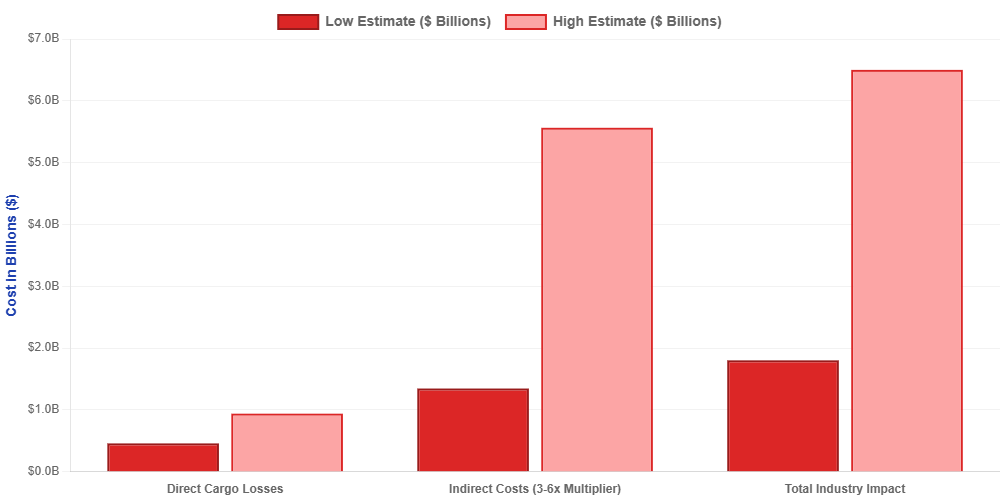
According to a brand-new report from the American Transportation Research Institute (ATRI), the trucking industry lost an estimated $456 million to $937 million in direct cargo theft last year alone. When you factor in downtime, lost customers, higher insurance premiums, and damaged reputations, those losses balloon to as much as $6.5 billion across the U.S. supply chain.
That’s not just a statistic—it’s an every-day risk for fleets of all sizes.
How Theft Really Hurts Trucking Companies
Cargo theft doesn’t just hit the shipper. It affects every link in the chain:
- Operational Disruption – When a load disappears, trucks sit idle. ATRI found the average stolen load is worth around $29,000, but the downtime cost can easily double that when you count lost driver revenue and replacement delays.
- Customer Confidence – Even a single theft can sour a client relationship. Shippers expect reliability, and an incident can push them to another carrier.
- Insurance Consequences – Higher deductibles, stricter vetting, or even non-renewal are common after repeated claims. Many fleets don’t report smaller thefts because they’re under the deductible.
- Employee Safety – Drivers are often closest to the danger. Hijackings and theft attempts put them at real personal risk.
ATRI’s data shows 73 percent of stolen cargo is never recovered. That means most victims eat the loss.
Where It Happens—and What’s Being Stolen
California led the nation in 2023 with 41 percent of all U.S. cargo thefts, followed by Texas, Illinois, and Tennessee.
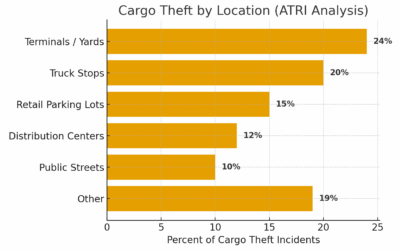
The most common hotspots were carrier terminals, truck stops, and retail parking lots—places drivers visit every day.
And the cargo?
- Food and beverages top the list—because they’re easy to sell and hard to trace.
- Electronics, auto parts, and household goods follow close behind.
Even partial “pilferage” thefts—when someone cuts a seal and grabs a few pallets—add up fast. ATRI reports that pilferage now makes up nearly 40 percent of theft incidents among motor carriers.
The Hidden Costs Most Fleets Overlook
ATRI calculated the indirect costs of theft—downtime, customer churn, administrative work, and lost sales—at three to six times the value of the stolen load.
That means a $30,000 loss could realistically cost your business $90,000 to $180,000 once all is said and done.
|
Cargo Theft Costs (2023 Estimates) |
Low Estimate |
High Estimate |
|
Direct losses (value of stolen cargo) |
$456 million |
$937 million |
|
Indirect losses (delays, downtime, lost sales) |
$1.3 billion |
$5.6 billion |
|
Total Estimated Impact |
$1.8 billion |
$6.5 billion |
(Source: ATRI, The Fight Against Cargo Theft, Oct 2025)
That’s the $6 billion problem rolling quietly through America’s freight corridors.
What Local Trucking Companies Can Do
For small and regional fleets, prevention doesn’t require a huge budget—just consistent habits.
- Secure your terminal.
Most thefts happen at carrier yards. Invest in lighting, cameras, locked gates, and clear access policies. - Train your drivers.
A driver who knows how to spot a tail car, recognize a suspicious loadboard posting, or park smart is your best defense. - Keep cargo moving.
Encourage drivers to avoid parking within the first 200 miles after pickup—a common window when thieves follow trucks. - Watch your paperwork.
Inspect every bill of lading (BOL) and rate confirmation for tampering. One wrong address can reroute your entire load. - Work with your insurance partner.
Carriers that demonstrate theft-prevention programs can often qualify for better cargo rates or lower deductibles. Ask your agent what documentation helps: GPS tracking, sealed yards, driver training logs, or TAPA-style security audits.
Insurance Savings Through Risk Management
Insurance companies are responding to the surge in theft by raising premiums for high-value loads and tightening underwriting standards. But they’re also rewarding fleets that show accountability.
If you can prove:
- your terminal is fenced and monitored,
- your trucks have GPS and geofencing alerts,
- and your drivers complete annual security training,
you could see meaningful savings at renewal.
In other words—security isn’t just about preventing theft; it’s about protecting your profitability.
The Road Ahead
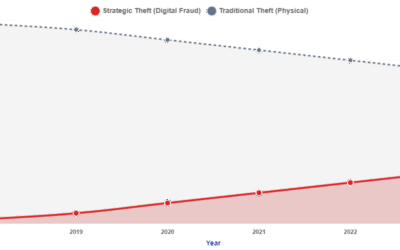
Cargo theft isn’t slowing down. From organized crime rings in Los Angeles to digital scams on load boards, criminals are getting smarter. But so are fleets.
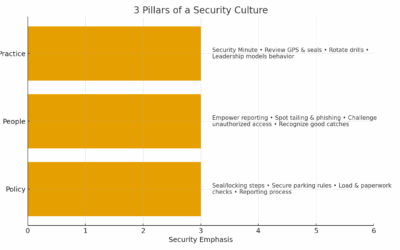
The carriers who thrive in the next few years will be the ones who treat cargo security the same way they treat safety—as part of the culture, not a line item.
At Jump Trucking Insurance, we help trucking companies strengthen risk controls and secure competitive coverage. Because when it comes to cargo theft, a strong defense doesn’t just protect freight—it protects your business.