Technology That Cuts Claims
Technology That Cuts Claims: How One Dash Cam Saved a 43-Year Veteran’s Career (And His Company $150,000)
Roger Hoene has been driving trucks for 43 years. He’s seen it all—ice storms, mountain passes, aggressive four-wheelers, and every road hazard imaginable. But on what seemed like a perfect driving day, his career almost ended in an instant.
A pickup truck pulled out from a private driveway without stopping, directly into Roger’s path. With decades of experience guiding his actions, Roger swerved to avoid the collision. His truck rolled, but his quick thinking likely saved the other driver’s life.
What happened next is a story every trucking company owner needs to hear.
How Technology Turned a Nightmare Into Vindication
Within moments of the accident, 3 Sisters Logistics—Roger’s employer—had everything they needed to prove what happened:
- High-definition dash cam footage showing the pickup truck pulling out without stopping
- Telematics data confirming Roger’s speed and braking patterns
- GPS records showing his precise location and route
- Vehicle diagnostics captured at the moment of impact
The investigating officer watched the video and immediately stated that Roger’s driving “likely saved this kid’s life.” The insurance company reviewed the evidence and just as quickly cleared Roger of all fault.
Without that technology, this could have been a very different story. Roger’s word against the other driver’s account. A he-said-she-said situation that could have dragged on for months or years, potentially ending in a significant settlement or even a nuclear verdict.
Instead, 3 Sisters Logistics avoided what could have easily been a $150,000 to $200,000 claim—or worse.
Roger’s Transformation: From Skeptic to Advocate
Here’s what makes this story even more powerful: Roger initially opposed having cameras in his truck.
“I wasn’t a big fan of putting cameras in trucks to begin with. I’m old school,” Roger admitted. “But it turned out to be a good thing for me.”
Roger’s not alone in his initial skepticism. Many experienced drivers view cameras as a sign that their employer doesn’t trust them. But the reality is quite different: dash cams and telematics protect drivers more than anyone else.
The Business Case Is Overwhelming
Let’s talk numbers, because the return on investment for safety technology is remarkable:
D.M. Bowman Inc.: 20% Reduction in Accident Costs
This 325-truck fleet implemented an integrated telematics solution across their entire operation. The result? A 20% reduction in accident costs.
The real-time data capabilities allowed safety managers to address unsafe driving behaviors immediately, while comprehensive reporting identified risk patterns that informed targeted safety programs. When accidents did occur, telematics data verified driver behavior and provided crucial evidence for insurance claims.
UniGroup: 42% Drop in Safety Events
UniGroup, a transportation cooperative handling one-third of all professional moves in the United States, deployed dash cams with in-cab alerts across their fleet. Within just one year, they saw a 42% reduction in safety events.
The key wasn’t surveillance—it was real-time coaching. When drivers received immediate alerts for behaviors like harsh braking, rapid acceleration, or following too closely, they could correct the behavior before it became a pattern.
Industry-Wide Impact: 65% Accident Reduction
Current generation AI-powered dash cam systems are reporting accident reduction rates of approximately 65% among users. Industry experts project that as technology continues improving, reduction rates could reach the high 90s.
Think about what a 65% reduction in accidents would mean for your operation:
- Dramatically lower insurance premiums
- Reduced downtime and repairs
- Fewer injuries and workers’ compensation claims
- Better driver retention (safer operations mean less stress)
- Improved customer confidence and contract opportunities
How Modern Systems Predict Accidents Before They Happen
Today’s technology goes far beyond simple video recording. AI-powered systems now combine multiple data sources to predict and prevent accidents:
Real-Time Risk Assessment
Modern systems analyze:
- Driver behavioral patterns and risk events
- Time of day and typical driving patterns
- Weather conditions and road hazards
- Vehicle speed, following distance, and braking patterns
- Driver fatigue indicators and distraction signals
- Historical training and coaching effectiveness
By processing this enormous amount of data in real-time, these systems can identify when a driver is at elevated risk and provide immediate intervention.
Proactive Driver Coaching
Instead of just recording what happens, advanced systems provide:
In-cab alerts for forward collision warnings, lane departure, and tailgating Positive reinforcement for good driving behaviors Immediate feedback that helps drivers correct risky behaviors before they become habits Detailed coaching reports that allow safety managers to provide targeted, personalized training
Research shows that simply being watched doesn’t create lasting behavioral change—drivers adjust for a week or two, then revert to previous habits. But automated coaching with real-time feedback creates sustained improvement.
Comprehensive Incident Documentation
When an incident does occur, modern systems capture:
- 30-60 seconds of video before and after the event
- Both road-facing and cab-facing footage
- Vehicle telemetry at the moment of impact
- GPS location and route history
- Driver behavior data leading up to the incident
This comprehensive documentation has proven invaluable not just for defending against false claims, but also for identifying what actually caused the incident so similar situations can be prevented.
The Insurance Discount You’re Probably Missing
Here’s something many carriers don’t know: insurance companies are actively offering discounts for safety technology, but most carriers never ask for them.
ELD Data Sharing: Up to 10% Annual Savings
Insurance providers offer discounts up to 10% annually for carriers who share ELD data through API connections. For a small fleet paying $60,000 in annual premiums, that’s $6,000 saved—often more than the cost of the entire ELD system.
The data sharing gives insurers confidence that:
- Hours of service are being properly tracked
- Route optimization is reducing risk exposure
- Driver behavior is being monitored
- The carrier is serious about compliance
Dash Cam Discounts: 2-5% or More
Many insurers provide additional premium reductions for carriers with comprehensive dash cam systems. One fleet owner reported saving 6% on his liability premium simply by proving his trucks had forward collision avoidance systems installed.
The key is documentation: send photos, specification sheets, and installation records to your insurance agent when requesting quotes. Make it easy for underwriters to see your investment in safety.
Protecting Against Staged Accident Fraud
One of the most valuable—and often overlooked—benefits of dash cam technology is protection against staged accidents.
Sophisticated criminal rings target trucking companies specifically because of their large insurance policies. In one well-publicized Louisiana case, video evidence helped expose a staged accident ring that had been operating since 2011, ultimately leading to 63 federal indictments.
A Louisiana trucking company used in-cab video to expose the fraud and saved between $150,000 and $200,000. As one insurance fraud expert noted: “In-cab video for commercial vehicles is the single best tool to protect a commercial driver from insurance fraud on the highways.”
Staged accidents often involve:
- Vehicles suddenly cutting in front of trucks and braking hard
- Drivers claiming injuries that can’t be verified
- Multiple “witnesses” who appear at the scene
- Accidents in known “fraud hotspots”
With video evidence, these schemes fall apart instantly. Without it, carriers often settle rather than risk going to trial.
Implementation Strategy: Getting Driver Buy-In
The most sophisticated technology in the world won’t help if drivers resist or sabotage it. Here’s how successful carriers gain driver acceptance:
- Lead With Protection, Not Surveillance
Frame cameras as protection for drivers, not monitoring. Share stories like Roger Hoene’s that demonstrate how video evidence protects professional drivers from false accusations.
- Address Privacy Concerns Directly
Explain clearly:
- What is recorded and what isn’t
- Who has access to footage
- When and why footage is reviewed
- How the system protects their privacy
Many modern systems only upload footage when triggered by specific events, not continuously.
- Use Positive Reinforcement
Implement recognition programs for drivers with excellent safety scores. Public recognition, bonuses, and other rewards create positive associations with the technology.
- Involve Drivers in Safety Initiatives
Ask for driver input on safety policies and procedures. When drivers feel heard and valued, they’re more likely to embrace tools that support safety goals.
- Demonstrate Quick Wins
Share examples where video evidence quickly resolved incidents in drivers’ favor. Nothing builds trust faster than proving the system works as promised.
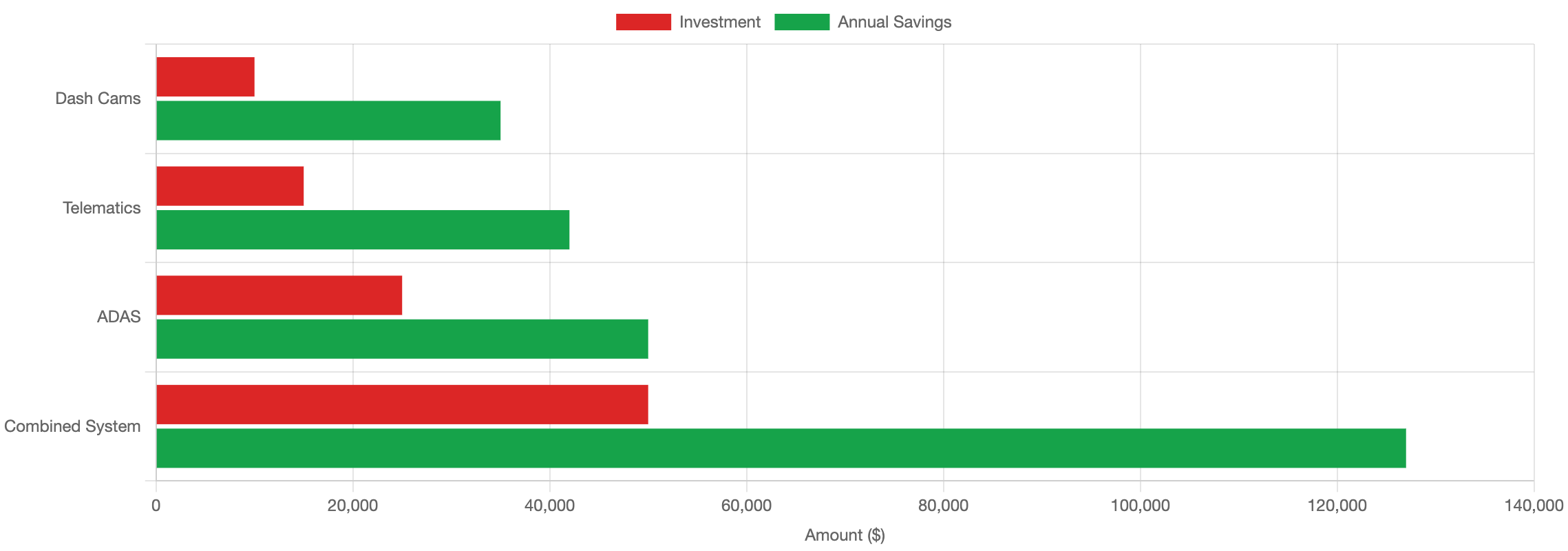
The Cost-Benefit Analysis
Let’s break down the numbers for a typical small fleet:
Investment:
- Dash cam systems: $300-$800 per truck
- Telematics platform: $25-$50 per truck per month
- Installation and setup: $100-$200 per truck
- Total first-year cost for 5 trucks: $7,500-$12,500
Savings:
- Insurance premium discount (8%): $4,000-$6,000 annually
- Reduced accident frequency (conservative 30%): $15,000-$25,000 annually
- Faster claims resolution: $5,000-$10,000 annually
- Improved fuel efficiency from better driving: $3,000-$5,000 annually
- Total annual savings: $27,000-$46,000
Payback period: 3-6 months
And this doesn’t even account for the prevented nuclear verdict that could end your business entirely.
Technology Recommendations
While we don’t endorse specific vendors, successful carriers are using systems from providers like:
- Samsara (comprehensive platform with AI-powered coaching)
- Lytx/Surfsight (specialized in video telematics)
- Geotab (strong integration with fleet management systems)
- Netradyne (AI-focused driver safety platform)
The key is finding a system that:
- Integrates with your existing ELD and fleet management tools
- Provides real-time alerts and coaching
- Offers both road-facing and cab-facing cameras
- Includes cloud-based storage and easy retrieval
- Has proven support from your insurance carriers
Taking Action
If you’re not currently using dash cams and telematics, here’s your action plan:
Within 30 days:
- Request proposals from at least three technology providers
- Contact your insurance agent to confirm which systems qualify for discounts
- Calculate your potential ROI based on current premiums and claims history
Within 60 days: 4. Select a provider and schedule installation 5. Develop a driver communication plan 6. Create safety recognition programs to encourage adoption
Within 90 days: 7. Complete installation across your fleet 8. Train drivers and safety managers on the system 9. Request updated insurance quotes reflecting your technology investment
The Competitive Advantage
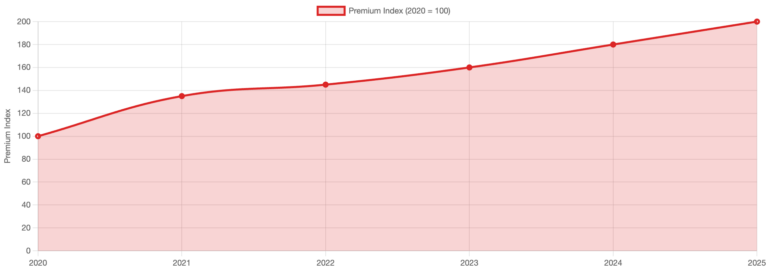
In today’s insurance market, safety technology isn’t optional—it’s becoming a requirement for accessing affordable coverage.
Underwriters are increasingly requiring dash cams and telematics as a condition of offering quotes. Carriers without these systems are being pushed into high-risk markets with premium pricing, while technology-equipped fleets are securing competitive rates.
Beyond insurance, these systems provide operational benefits that improve your bottom line: better fuel efficiency, reduced wear and tear on equipment, improved driver retention, and enhanced customer service through better route optimization and delivery accuracy.
The Bottom Line
Roger Hoene’s story perfectly illustrates why every trucking company should invest in safety technology. One incident—even when you’re completely not at fault—can threaten your entire business without proper documentation.
Modern dash cams and telematics don’t just record what happens; they prevent incidents from occurring, protect drivers from false claims, reduce insurance costs, and provide operational insights that improve profitability.
The question isn’t whether you can afford to implement this technology. It’s whether you can afford not to.